
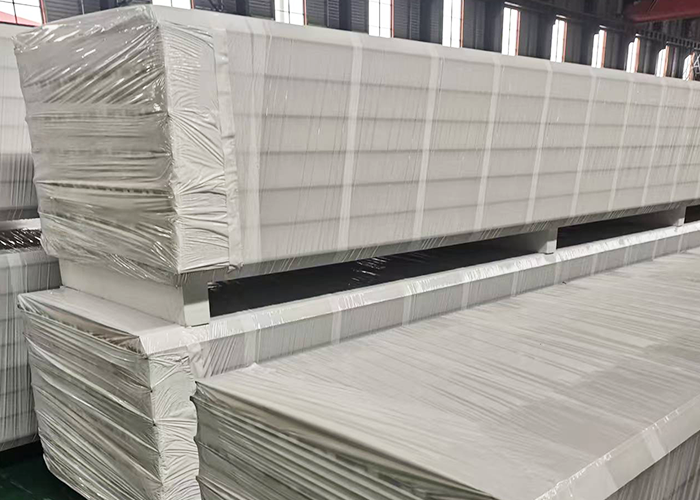
Lightweight Thermal Insulation Aluminum Roofing Sheets for DIY Homeowners
Introduction
When it comes to roofing materials, homeowners are increasingly looking for solutions that combine durability, energy efficiency, and ease of installation. Lightweight thermal insulation aluminum roofing sheets have emerged as a popular choice for DIY enthusiasts due to their excellent performance in weather resistance, thermal insulation, and structural strength.
This guide provides a comprehensive overview of these roofing sheets, covering their benefits, installation process, maintenance, and key considerations for DIY homeowners.
---
1. What Are Lightweight Thermal Insulation Aluminum Roofing Sheets?
Lightweight thermal insulation aluminum roofing sheets are composite panels made from high-quality aluminum with an insulating core. They typically consist of:
- Outer Aluminum Layer – Provides weather resistance and durability.
- Insulating Core – Often made of polyurethane (PU), polyethylene (PE), or mineral wool for thermal efficiency.
- Inner Aluminum Layer – Enhances structural integrity and reflects heat.
These sheets are designed to be lightweight yet strong, making them ideal for residential roofing applications.
---
2. Key Benefits for DIY Homeowners
2.1 Lightweight and Easy to Handle
Aluminum roofing sheets are significantly lighter than traditional materials like concrete or clay tiles, reducing the load on the roof structure. This makes them easier to transport and install, especially for DIY projects.
2.2 Excellent Thermal Insulation
The insulating core helps regulate indoor temperatures by minimizing heat transfer. This can lead to lower energy bills by reducing reliance on heating and cooling systems.
2.3 Weather and Corrosion Resistance
Aluminum naturally resists rust and corrosion, making these sheets ideal for areas with high humidity, coastal regions, or extreme weather conditions.
2.4 Longevity and Low Maintenance
With proper installation, aluminum roofing sheets can last 30-50 years with minimal maintenance. They do not require frequent repainting or sealing.
2.5 Fire Resistance
Unlike some traditional roofing materials, aluminum is non-combustible, providing an added layer of safety.
2.6 Aesthetic Flexibility
Available in various colors and finishes, these sheets can complement different architectural styles.
---
3. Installation Guide for DIY Homeowners
Installing lightweight thermal insulation aluminum roofing sheets requires careful planning and execution. Below is a step-by-step guide:
3.1 Tools and Materials Needed
- Measuring tape
- Screwdriver or drill
- Roofing screws with neoprene washers
- Safety gear (gloves, goggles, harness)
- Sealant (for waterproofing joints)
- Underlayment (if required)
3.2 Step-by-Step Installation
Step 1: Measure and Plan
- Measure the roof area accurately to determine the number of sheets needed.
- Plan the layout, ensuring proper overlap (typically 100-150mm) to prevent leaks.
Step 2: Prepare the Roof Structure
- Ensure the roof frame is sturdy and level.
- Install an underlayment (if necessary) for additional waterproofing.
Step 3: Install the First Sheet
- Start from the bottom edge of the roof.
- Align the sheet properly and secure it with roofing screws at the ridges (not the flat areas).
Step 4: Overlap and Secure Subsequent Sheets
- Place the next sheet with the recommended overlap.
- Fasten each sheet securely, ensuring no gaps.
Step 5: Seal Joints and Edges
- Apply sealant along seams and edges to prevent water infiltration.
- Install flashing around chimneys, vents, and roof edges for extra protection.
Step 6: Final Inspection
- Check for loose screws or misaligned sheets.
- Ensure all joints are properly sealed.
---
4. Maintenance Tips
While aluminum roofing sheets require minimal upkeep, following these tips can extend their lifespan:
- Regular Cleaning – Remove debris and dirt to prevent moisture buildup.
- Inspect for Damage – Check for dents, loose screws, or sealant deterioration annually.
- Clear Gutters – Ensure proper drainage to avoid water pooling.
- Avoid Harsh Chemicals – Use mild soap and water for cleaning instead of abrasive cleaners.
---
5. Cost Considerations
The price of lightweight thermal insulation aluminum roofing sheets varies based on thickness, insulation type, and finish. While they may have a higher upfront cost than traditional materials, their long-term benefits (energy savings, durability) make them cost-effective.
---
6. Environmental Benefits
- Recyclability – Aluminum is 100% recyclable, reducing environmental impact.
- Energy Efficiency – Lower heating and cooling needs contribute to reduced carbon footprint.
---
7. Common Mistakes to Avoid
- Incorrect Fastening – Over-tightening screws can damage the sheets.
- Poor Overlapping – Insufficient overlap leads to leaks.
- Ignoring Expansion Gaps – Aluminum expands with heat; allow slight movement to prevent warping.
---
8. Conclusion
Lightweight thermal insulation aluminum roofing sheets offer an excellent solution for DIY homeowners seeking durability, energy efficiency, and ease of installation. By following proper installation techniques and maintenance practices, these sheets can provide long-lasting protection and comfort for decades.
Whether you're renovating or building a new home, this roofing option combines practicality with sustainability, making it a smart choice for modern homeowners.
---
Would you like additional details on any specific section?
Contact Person: Wang Ye
Tel: +86 158 33457666
Email: 944713874@qq.com
Address: South side of Yuxin Highway, Dongxian Village, Yahongqiao Town, Yutian County, Tangshan City, Hebei Province
Search


Copyright © 2025 Tangshan Juze Technology Co., Ltd. All rights reserved
This website uses cookies to ensure you get the best experience on our website.
 Español
 العربية
 हिन्दी
 Tiếng Việt



 Phone
Phone
Comment
(0)