 Español
 العربية
 हिन्दी
 Tiếng Việt


High Strength Aluminum Panels
High-Strength Aluminum Panels: Properties and Applications High-strength aluminum panels are lightweight, durable, and corrosion-resistant materials widely used in industries such as aerospace, automotive, construction, and marine engineering. These panels combine the benefits of aluminum—such as excellent strength-to-weight ratio, formability, and thermal conductivity—with enhanced mechanical properties achieved through alloying, heat treatment, and advanced manufacturing techniques. Key Properties 1. Lightweight yet Strong: High-strength aluminum alloys, such as the 7000 series (e.g., 7075) or 2000 series (e.g., 2024), offer tensile strengths comparable to some steels while being significantly lighter. This makes them ideal for weight-sensitive applications like aircraft fuselages or vehicle body panels. 2. Corrosion Resistance: Aluminum naturally forms a protective oxide layer, which can be further enhanced through anodizing or coatings, ensuring long-term durability in harsh environments. 3. Thermal and Electrical Conductivity: These panels efficiently dissipate heat and electricity, making them suitable for electronic enclosures and heat exchangers. 4. Formability and Machinability: Aluminum panels can be easily shaped, welded, or machined, allowing for complex designs without compromising structural integrity. Manufacturing Processes High-strength aluminum panels are produced through: - Alloying: Elements like zinc, magnesium, and copper are added to improve strength and hardness. - Heat Treatment: Processes such as T6 tempering enhance mechanical properties. - Rolling and Extrusion: Cold or hot rolling refines grain structure, while extrusion creates precise profiles. Applications - Aerospace: Used in aircraft wings, fuselages, and interior components due to their fatigue resistance and weight savings. - Automotive: Lightweight body panels and structural parts improve fuel efficiency and crash performance. - Construction: Facades, roofing, and cladding benefit from aluminum’s weather resistance and aesthetic flexibility. - Marine: Hulls and superstructures leverage corrosion resistance in saltwater environments. - Defense and Transportation: Armored vehicles and rail systems utilize aluminum for blast resistance and reduced weight. Sustainability Aluminum is fully recyclable, retaining its properties after reprocessing, which supports eco-friendly manufacturing and reduces lifecycle costs. In summary, high-strength aluminum panels offer a versatile, high-performance solution for modern engineering challenges, balancing strength, weight, and environmental sustainability. Their adaptability ensures continued relevance across evolving industries.
Products
Category:
-
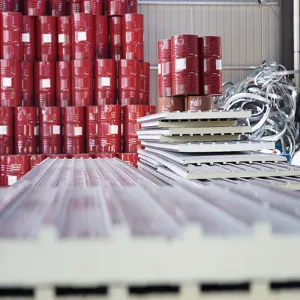
High-density aluminum tiles
Category: Thermal insulation aluminum tilesBrowse number: 12Number:Release time: 2025-10-28 10:07:11Enhance structural strength and durability with High-Density Aluminum Tiles. Designed with a dense aluminum core, these tiles provide superior load-bearing capacity, corrosion resistance, and long-lasting performance. Ideal for industrial, commercial, and residential applications, they are lightweight, easy to install, and maintain, offering a reliable solution for roofing, cladding, and wall insulation projects.
News
Category:
-
[Industry News]Lightweight thermal insulation aluminum roofing sheets for D...
2025-11-06 08:02:51
Case
Category:
No search results found!
Video
Category:
No search results found!
Download
Category:
No search results found!
Job
Category:
No search results found!
Featured Products
No search results found!



 Phone
Phone