
Double-Layer Thermal Insulation Aluminum Roofing Sheet: Efficient and Durable Roofing Solution
Modern construction demands roofing solutions that combine thermal efficiency, structural durability, and fire safety. Double-layer thermal insulation aluminum roofing sheets are engineered to meet these requirements. By integrating a high-quality aluminum layer with an advanced insulating core, these sheets provide superior heat retention, energy savings, and long-term protection.
These roofing sheets are suitable for residential, commercial, and industrial applications, offering lightweight design, easy installation, and minimal maintenance. With their combination of fire resistance, corrosion protection, and aesthetic appeal, they represent an ideal solution for modern high-performance roofing systems.
Double-layer thermal insulation aluminum roofing sheets feature a two-layer construction: a top aluminum layer for protection and aesthetics and a thermal insulation core for energy efficiency.
| Parameter | Specification |
|---|---|
| Base Material | Aluminum alloy (3003 / 5052 / 6061) |
| Sheet Thickness | 0.6–1.8 mm |
| Insulation Material | PU, PIR, EPS, or Rock Wool |
| Thermal Conductivity | ≤ 0.025 W/(m·K) |
| Fire Resistance | Class B1/B2 (flame-retardant) |
| Surface Coating | PVDF, PE, or nano self-cleaning coating |
| Weight | 3–6 kg/m² |
| Lifespan | 25–30 years |
| Color Options | Silver, Grey, Bronze, Red, Custom Colors |
| Applications | Residential, commercial, industrial roofs and walls |
Double-layer Construction: Maximizes thermal insulation and fire resistance.
Lightweight Design: Reduces structural load and simplifies installation.
Corrosion Resistance: Durable coatings protect against UV, rain, and industrial pollutants.
Energy Efficiency: Insulating core minimizes heat transfer, saving energy costs.
Quick Installation: Interlocking design accelerates assembly.
Low Maintenance: Coatings and durable materials reduce upkeep.
Aesthetic Versatility: Multiple colors and finishes for modern architectural designs.
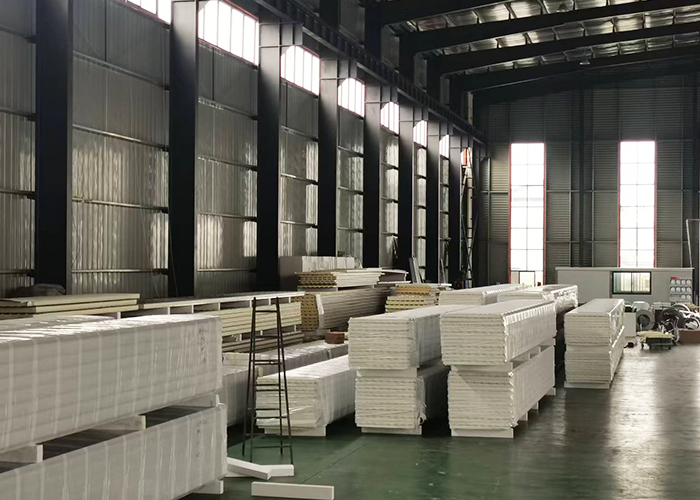
Understanding the structure of double-layer aluminum roofing sheets ensures optimal installation, maintenance, and long-term performance.
Top Aluminum Layer: Provides structural strength, UV protection, and corrosion resistance.
Insulating Core Layer: PU, PIR, EPS, or Rock Wool, offering thermal efficiency and flame retardancy.
Backing Layer: Ensures dimensional stability, moisture resistance, and impact durability.
| Property | Value |
|---|---|
| Tensile Strength | ≥ 150 MPa |
| Flexural Strength | ≥ 120 MPa |
| Surface Hardness | ≥ 45 HV |
| Thermal Conductivity | ≤ 0.025 W/(m·K) |
| Water Absorption | ≤ 0.5% |
| Fire Resistance | Class B1/B2 |
| Acoustic Insulation | 25–35 dB |
| Weight | 3–6 kg/m² |
Enhanced Thermal Performance: Reduces heat transfer, improving indoor comfort.
Improved Fire Safety: Flame-retardant core slows fire propagation.
Durability: Aluminum surface and protective coatings prevent corrosion and wear.
Lightweight Strength: Supports long-span roofing applications with minimal structural load.
Routine care is essential for maintaining insulation performance, fire resistance, and aesthetics.
Use low-pressure water and mild detergent to remove dust, dirt, and debris.
Avoid abrasive brushes, strong acids, or chemical cleaners.
Coastal or industrial areas may require more frequent cleaning to remove pollutants.
| Environment | Recommended Cleaning |
|---|---|
| Residential | Every 12 months |
| Industrial | Every 6–9 months |
| Coastal | Every 3–6 months |
Check for loose fasteners, scratches, dents, or coating damage.
Inspect sealants and overlaps to prevent water ingress.
Schedule routine inspections every 6 months.
Regular maintenance ensures long-term performance and safety.
| Issue | Cause | Solution |
|---|---|---|
| Loose screws | Thermal expansion or improper fastening | Retighten and check alignment |
| Surface scratches | Handling or environmental factors | Apply touch-up coating |
| Dents | Heavy impact or hail | Replace affected sheet |
| Water leakage | Improper sealing or overlaps | Reapply high-temperature sealant |
| Corrosion spots | Coating damage | Apply protective coating immediately |
Inspect sealants every 2–3 years to maintain fire and waterproofing.
Touch up coatings every 3–5 years depending on exposure and environmental conditions.
Proper installation maximizes thermal efficiency, fire safety, and structural durability.
Ensure roof or wall frames are level and load-bearing.
Check tiles for coating defects or physical damage.
Prepare tools: drill, level, tape measure, stainless steel screws, rubber washers, sealant, gloves, and safety harness.
Start from the bottom edge and work upward.
Align sheets for seamless interlocking.
Secure with stainless steel screws and rubber washers.
Apply sealant at joints and overlaps for water and fire protection.
Avoid walking directly on installed sheets; use protective planks.
Inspect alignment, fastening, and surface coating after installation.
Wear helmets, gloves, and anti-slip footwear.
Use safety harnesses on sloped roofs.
Avoid installation during high winds or rain.
Handle sheets carefully to prevent scratches or dents.
Proper transportation preserves structural integrity and coating quality.
Stack sheets flat with protective padding between layers.
Avoid dragging sheets across hard surfaces.
Use straps or mechanical lifting tools for large panels.
Keep sheets dry and protected from UV exposure during transit.
Transport on flat-bed trucks or covered containers.
Avoid placing heavy loads on top of sheets.
Secure sheets to prevent sliding or impact damage.
Inspect sheets upon delivery for scratches, dents, or coating defects.
Proper storage ensures long-term performance and prevents damage.
Store in a dry, ventilated area.
Keep sheets flat and supported to prevent bending.
Avoid stacking heavy objects on top.
Cover with UV-resistant, waterproof tarpaulins.
Elevate sheets above ground to prevent water accumulation.
Minimize exposure to moisture and extreme temperatures.
| Feature | Double-Layer Aluminum Sheets | Clay Tiles | Concrete Tiles |
|---|---|---|---|
| Weight | 3–6 kg/m² | 30–40 kg/m² | 40–50 kg/m² |
| Thermal Insulation | High | Moderate | Low |
| Fire Resistance | Class B1/B2 | Medium | High |
| Corrosion Resistance | Excellent | Low | Moderate |
| Installation Speed | Fast | Slow | Moderate |
| Maintenance | Low | Medium | High |
| Lifespan | 25–30 years | 15–20 years | 20–25 years |
| Recyclability | 100% | Partial | Limited |
Modern homes, villas, and townhouses
Roofs and walls requiring thermal efficiency and fire protection
Energy-efficient, eco-friendly building designs
Offices, warehouses, factories
Shopping centers, hospitals, and schools
Facilities requiring fire-resistant and energy-efficient roofing solutions
Compatible with glass facades, modular panels, and ventilation systems
Supports modern aesthetic design while ensuring thermal and fire performance
Double-layer thermal insulation aluminum roofing sheets are a modern, safe, and energy-efficient roofing solution. Their lightweight structure, flame-retardant insulation, and durable coatings ensure long-term performance with minimal maintenance.
By following proper installation, maintenance, storage, and transportation procedures, these sheets provide enhanced fire safety, superior thermal insulation, and structural reliability for residential, commercial, and industrial buildings.
Contact Person: Wang Ye
Tel: +86 158 33457666
Email: 944713874@qq.com
Address: South side of Yuxin Highway, Dongxian Village, Yahongqiao Town, Yutian County, Tangshan City, Hebei Province
Search


Copyright © 2025 Tangshan Juze Technology Co., Ltd. All rights reserved
This website uses cookies to ensure you get the best experience on our website.
 Español
 العربية
 हिन्दी
 Tiếng Việt



 Phone
Phone